Common Questions About Nearsightedness
Myopia FAQs
1. What is Myopia?
Myopia, also known as nearsightedness, is a common condition in which distant objects appear blurry while close-up objects remain clear. Myopia tends to progress until around the age of 21, and during this time, a child's vision deteriorates, often requiring more frequent updates of their corrective lenses.


2. What Causes Myopia Progression?
The exact causes of myopia progression are not fully understood, but several factors have been associated with it:
- Myopia tends to run in families, so if parents are nearsighted, their children are more likely to develop myopia.
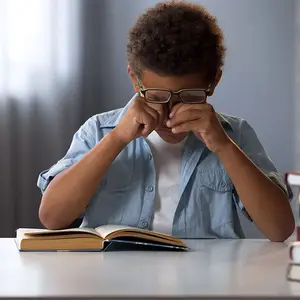
- Extensive studying, reading, and activities that involve focusing on nearby objects can contribute to myopia progression.
- The increasing use of electronic devices, especially when held close to the eyes, is thought to play a role in myopia development.
- Spending less time outdoors may increase the risk of myopia progression.
3. Why is Myopia Progression a Concern?
The progression of myopia is concerning as it's strongly associated with an increased risk of ocular diseases such as cataracts, glaucoma, macular degeneration, and retinal detachment later in life.
4. What If My Child Wears Glasses or Soft Contact Lenses?
Even if your child regularly wears glasses or soft contact lenses to correct their myopia, the condition may continue to progress. Conventional corrective methods often address symptoms but don't tackle the root cause, which involves the elongation of the eyeball.
5. How Can I Prevent My Child's Vision from Getting Worse?
To help prevent myopia progression, consider making lifestyle changes, including:
Reducing Screen Time: Limit screen time, and encourage breaks during prolonged use of digital devices.
Encouraging Frequent Breaks While Studying: Ensure your child takes regular breaks when studying or reading.
Increasing Outdoor Play: Encourage outdoor activities and playtime.
Adjusting Their Study Posture: Ensure proper posture during near work, avoiding sitting too close to screens or materials.
Additional treatment may be necessary, depending on the level of your child's myopia. Some of these options may include:
- Atropine Drops
- Orthokeratology (ortho-k)
- Dual Focus Contact Lenses
6. What Is Orthokeratology?
Orthokeratology, or ortho-k, is a non-surgical procedure designed to reduce nearsightedness. It involves the therapeutic application of specially designed contact lenses to reshape the cornea, the front part of the eye, overnight. This can effectively correct nearsightedness and certain types of astigmatism.
Ortho-k offers a promising solution for managing progressive myopia while providing the freedom of being glasses or contact lens-free during the day. Clinical studies have demonstrated its effectiveness in reducing myopia progression, thus reducing the risk of ocular diseases.
7. Is Myopia Management Suitable for Adults or Only for Children?
Myopia management strategies are often most effective when initiated during childhood, as this is when myopia tends to progress most rapidly. However, certain approaches, such as orthokeratology (ortho-k), may also benefit adults. It's crucial to consult your Eye Boutique Optometry eye doctor to determine the best approach for your specific situation.
8. How Often Should My Child's Eyes Be Examined for Myopia Progression?
Regular eye examinations are essential to monitor myopia progression. The frequency of these exams will depend on your child's age, myopia severity, and risk factors. Annual eye check-ups are generally recommended, but some cases may require more frequent visits.
9. Are There Any Side Effects or Risks Associated with Myopia Management Treatments?
Most myopia management treatments are safe and non-invasive, but awareness of potential side effects is essential. For instance, ortho-k lenses may cause temporary discomfort or dryness. Atropine eye drops may lead to increased sensitivity to light. Your Eye Boutique Optometry eye doctor will discuss these potential side effects and help you decide on the right approach for your child.
Meet our Eye Doctors

Somi Oh O.D., F.I.A.O.M.C.
Language: Korean
Somi Oh,O.D., F.I.A.O.M.C., received her Doctor of Optometry from the University of California, Berkeley, School of Optometry, graduating with high honors. She has been practicing optometry in the Bay Area since 1983 and has helped…

Hungsun Chung O.D.
Language: Korean
Hungsun Chung, O.D., received her Doctor of Optometry from the New England College of Optometry in 1994. She earned her Bachelor of Arts in Chemistry from the University of Northern Colorado and worked as a chemistry researcher at the…
Patient Reviews
4.6
252 Reviews
Bhupendra S.- Sep 27, 2026
Staff was very kind and attentive. All necessary examinations were done throughly. Dr. Was very nice... Show More to make sure my numbers best fitted to my needs.There was no wait time and every examination was done on schedule. I highly recommend this place for eye examination and treatment.
Justin R.- Sep 25, 2026
Excellent Customer service. MD was kind and patient, team helped me choose glasses that were covered... Show More by VSP.

10. Is Myopia Management Expensive, and Does Insurance Cover It?
The cost of myopia management can vary based on the chosen treatment method and location. Some treatments, like ortho-k, may involve initial higher costs but could reduce long-term expenses related to prescription updates and potential eye health issues. Schedule an appointment with Eye Boutique Optometry today to understand the specific costs and coverage options.